Cold rain: turn around before the group loses its margin.
Rain does not have to freeze to become dangerous. Wet clothing, wind, fatigue and time can turn an ordinary fall hike into a cold emergency while the trailhead is still miles away.
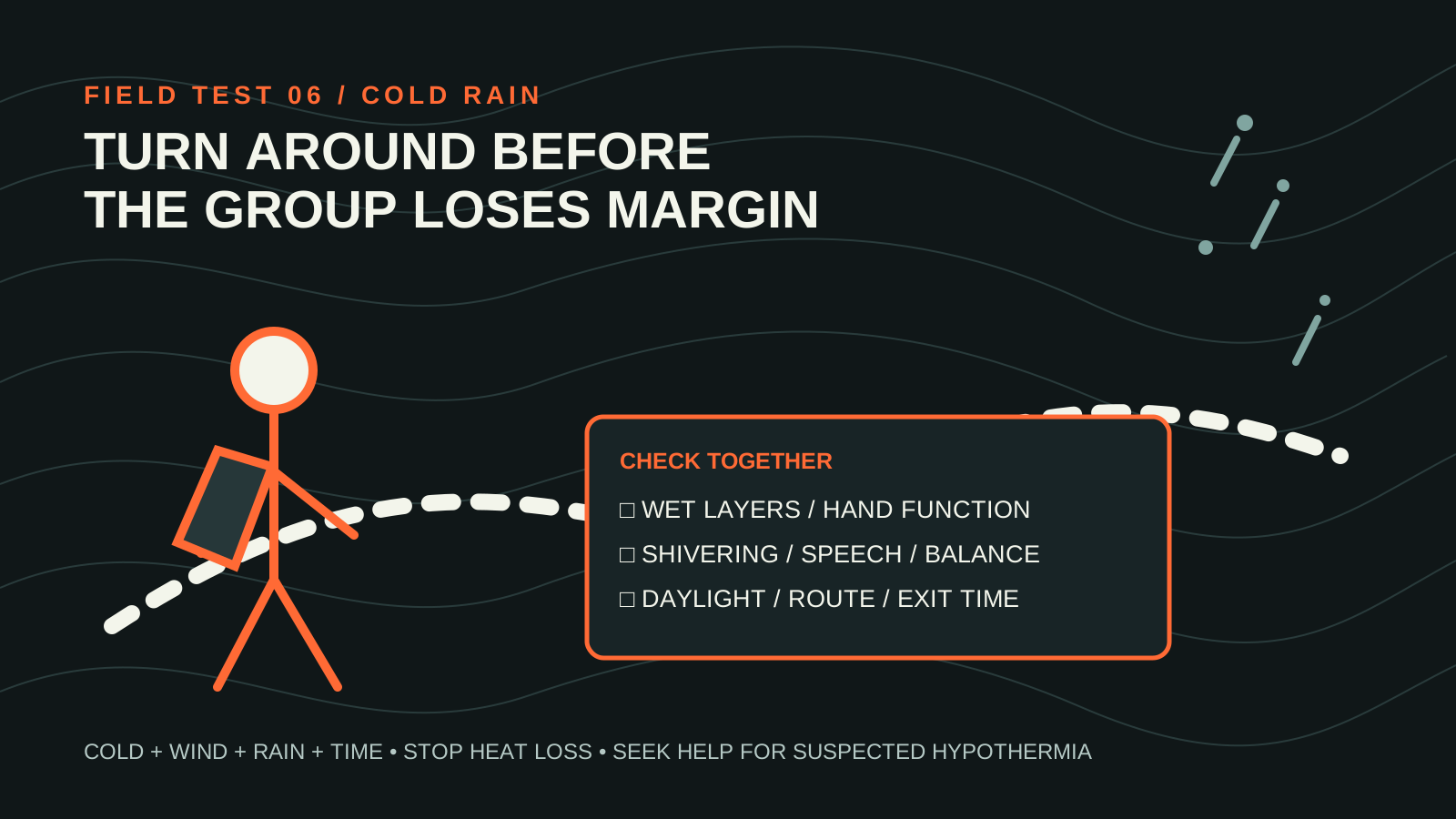
Why 45°F rain can be more serious than it looks
People often use the air temperature as the whole decision. It is only one part. The CDC notes that hypothermia can occur above 40°F when rain, sweat or cold-water exposure chills a person. The National Weather Service likewise warns that wet clothing and wind increase heat loss. Add fatigue, reduced food intake, a slow companion, fading daylight or a route that is longer than expected, and the group's ability to create heat and reach shelter can fall at the same time.
That is why the useful question is not “Is it below freezing?” Ask: Can every person stay dry enough, warm enough and coordinated enough to reach a known safe exit with daylight and energy left? The check must happen before someone becomes confused, not after.
Set the turnaround rule at the trailhead
Write three limits before starting. First, choose a clock time that sends the group back even if the objective is close. Second, choose a weather trigger such as steady cold rain, a falling temperature, stronger wind or the loss of the expected view of nearby peaks. Third, choose a people trigger: persistent shivering, wet insulation, cold hands that cannot work zippers, stumbling, slowed speech, unusual silence or a pace that keeps declining.
The safest limit wins. If the clock says return, the weather trigger arrives, or one person is losing function, turn around or use the nearest safer exit. Do not average the conditions across the group. The coldest, slowest or least protected person defines the current margin.
| Check | Continue only if | Turn back or exit when |
|---|---|---|
| Layers | Warm insulation remains dry and rain protection still works. | Insulation is wet, rain is entering, or no dry reserve remains. |
| Hands | Everyone can operate zippers, buckles, phone and navigation tools. | Fumbling, numbness or lost dexterity makes basic tasks unreliable. |
| Movement | Balance and pace are steady on the return terrain. | Stumbling, clumsiness, exhaustion or a slowing group threatens the exit. |
| Thinking | Speech, decisions and route awareness remain normal. | Confusion, slurred speech, memory problems, apathy or unusual behavior appears. |
| Time | The known return fits inside daylight and forecast margin. | Delays, darkness, closures or worsening weather consume that margin. |
Run a two-minute buddy check
Cold affects judgment, so self-assessment alone is weak. Stop in a sheltered place and check one another. Ask each person to say the current location, next route point and return plan. Listen for changed speech or confusion. Ask them to open a pocket, use a zipper and show the headlamp. Watch balance when they stand and turn. Compare behavior with the start of the hike.
Do not frame the check as toughness. A person may deny feeling cold or want to protect the group's goal. Use observations: “Your hands cannot close the buckle,” “you stumbled twice,” or “your speech sounds different.” Those are decisions, not debates.
Manage moisture before it becomes a reserve problem
Rocky Mountain National Park recommends wicking layers, avoiding cotton and jeans, carrying warm layers, gloves, dry socks and waterproof rain protection. Layering has two jobs: keep outside water out and keep exertion from soaking the inside. Vent or slow down before sweat wets the base layer. Add rain protection before clothing is saturated. Put warm layers on during a brief stop before shivering begins.
Keep one insulating layer and critical fire-free warmth supplies in a waterproof inner bag. Pack liners are simple; separate dry bags for gloves, hat and insulation reduce the chance that opening the pack in rain wets everything at once. A wet shell may still block wind, but wet insulation should not be treated as a reliable reserve.
Public hiking discussions repeatedly focus on the same failure: people overdress while climbing, soak layers with sweat, then cool quickly when their pace drops. That observation is useful, but individual clothing prescriptions are not universal. Test your system near a safe exit in ordinary weather, and use current park or land-manager guidance for the actual route.
If early warning signs appear, stop heat loss
Move out of wind and rain without adding a second hazard such as a dead tree, drainage, cliff edge or exposed ridge. Replace wet clothing with dry clothing when possible. Add insulation above and below the person; cold ground pulls heat away. Protect the head and neck. The CDC advises warming the center of the body and seeking medical attention as soon as possible.
Call 911, park dispatch or the local emergency number for suspected hypothermia, especially when thinking, speech, coordination or consciousness changes. Give the location, route, weather, number of people and observed signs. Follow the dispatcher. Do not give alcohol. Do not force a drink on anyone who is not fully alert and able to swallow. Handle a severely cold or unconscious person gently and get emergency help immediately.
Do not make “walk faster” the only warming plan. A coordinated person with mild cold stress may generate heat while moving toward safety, but someone who is confused, stumbling or unable to care for themselves needs an emergency response. Continuing deeper into the route is not a treatment.
Separate a wet-weather exit from the planned route
Before leaving home, mark road crossings, side trails, staffed buildings, shelters and other legitimate exits. Confirm whether gates or seasonal facilities are open. An exit should lead to known shelter or transportation; an unverified shortcut can create a navigation emergency.
Connect the decision to the lost-hiker first-30-minute plan. If weather hides landmarks or leaf litter obscures the trail, stop uncertainty early. Pair it with the heavy-rain shelter site screen if the group must wait for help. Keep the route report, clothing colors and emergency contacts in the trip plan left with a responsible person.
Practice the turnaround without manufacturing danger
- Choose a familiar short loop with a nearby trailhead, benign forecast and legal access.
- Pack the cold-rain layers you actually use, plus a protected dry reserve.
- At a safe checkpoint, start a two-minute timer and run the buddy check.
- Have each person add rain protection, retrieve dry gloves and turn on a headlamp.
- Record time, snags and anything that became wet inside the pack.
- Turn back at the prewritten time even if everyone feels good. The practice is honoring the decision.
Do not practice distress calls, create rescue signals or wait for anyone to become cold. The drill is successful when it exposes a slow zipper, missing layer, vague exit or social pressure to keep going.
Build a cold-rain field card
Keep the card short enough to read with wet hands:
- Turn time: the clock time that begins the return.
- Weather stop: the forecast or observed change that ends the outing.
- People stop: shivering, fumbling, changed speech, poor balance, confusion or unusual exhaustion.
- Dry reserve: where the protected insulation, gloves and hat are packed.
- Known exits: named, verified routes to shelter or transportation.
- Emergency report: coordinates, route, party, clothing colors, injuries, weather and remaining supplies.
The field card does not diagnose hypothermia. It moves the decision earlier, while the group can still use its hands, judgment and known route.
Sources checked
- CDC: Preventing Hypothermia, reviewed August 25, 2026.
- Rocky Mountain National Park: Hypothermia, updated March 6, 2026.
- Great Smoky Mountains National Park: Hiking Safety.
- National Weather Service: Wind Chill Safety.
- National Park Service: Outdoor Emergency Plan.
Reviewed October 13, 2026. Forecasts, closures, trail conditions and emergency contacts are local and can change quickly.